
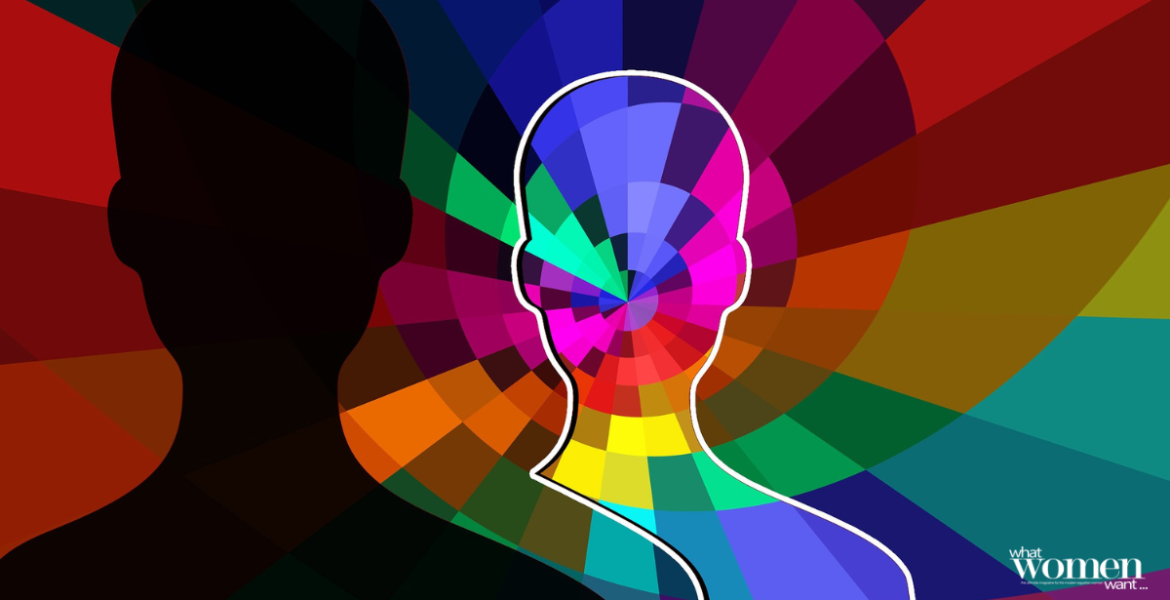
Psychology of Color in Everyday Living Spaces. Color is a silent language that influences how we feel, think, and perceive our environment; it is much more than just a cosmetic option. Color psychology has a significant impact on mood, comfort, productivity, and even social interaction in daily living environments. Whether intentionally or inadvertently, the colors we choose to surround ourselves with can change a home into a peaceful haven, a stimulating office, or a friendly gathering place.
The Emotional Impact of Warm and Cool Hues
People frequently associate warm hues like orange, yellow, and red with warmth, passion, and vitality. These hues are perfect for dining areas, kitchens, and meeting places because they spark conversation and add vitality. For instance, subdued mustard or soft terracotta can create a warm, welcoming atmosphere without overpowering the senses.
Conversely, cool hues promote serenity and relaxation. Because they produce a calming ambiance that promotes rest and mental clarity, blue and green hues are often utilized in bathrooms and bedrooms. Green represents nature, balance, and rejuvenation, while blue is frequently associated with calm and concentration. Sage green and hazy blue have gained popularity in contemporary interior design because they blend refinement and tranquility.
The Role of Lighting and Personal Perception
The way colors are seen in a room is also greatly influenced by lighting. While artificial lighting can soften or completely change the tones of colors, natural daylight can make them appear brighter and more vibrant. At night, a paint color that seems light and airy during the day may seem deeper and more melancholic. For this reason, before making a final choice, designers frequently advise experimenting with colors in various lighting settings.
Individuals’ responses to color are further shaped by cultural influences and personal experiences. One person may find yellow overstimulating, while another may link color with joy and optimism. Because of this emotional connection, outstanding interior design is predicated on making environments that are emotionally meaningful to the people who live there rather than just following trends.
Designing for Emotional Well-Being
Psychology of Color in Everyday Living Spaces. Homes are now more than just places to live in the fast-paced world of today; they are places to work, relax, socialize, and rejuvenate. By boosting emotional health and general quality of life, thoughtful color selection can promote these functions. A well-planned living area feels appealing in addition to being aesthetically pleasing.
In the end, color psychology serves as a reminder of the close relationship between human emotion and design. Every day, the colors chosen for a home have the power to uplift, inspire, relax, or comfort us. We may design living areas that not only express our individual style but also support our way of life and emotions by being aware of the emotional impact of color.