
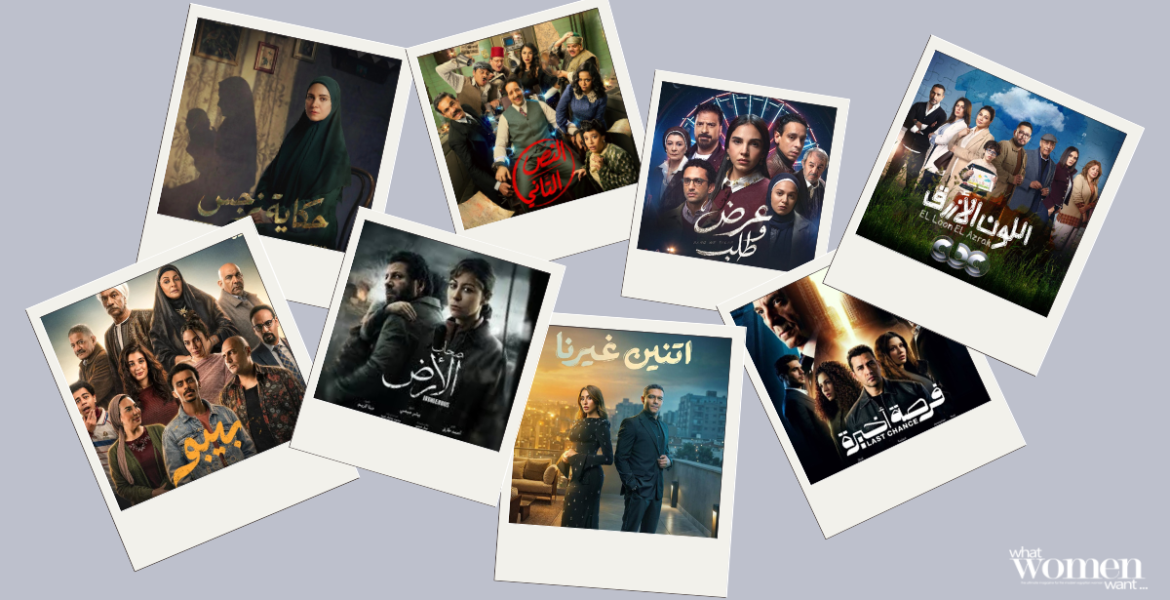
Ramadan annually captivated millions to watch TV, with families gathering around to watch drama and tv shows. These productions not only entertain but also influence how society sees women and their roles.Through the screening progress, the NCW’s dive into women’s roles in Ramadan 2026. The season served as a massive cultural mirror for Egyptian society. The Media Committee of the National Council for Women (NCW) monitored 40 television series, 200 advertisements, and 856 press materials. These materials were used to evaluate how women were portrayed and which social struggles took center stage.
The findings reveal a significant shift that women are no longer just supporting figures; they are the primary engines of dramatic conflict.
The Dawn of “Absolute Leadership”
The most prominent trend of 2026 was the rise of absolute female leadership. Production clearly portrayed this shift by giving female characters more space to shape events, elevating them from supporting roles to primary actors.
Also, the report stated that there were diverse representations of women during Ramadan 2026. Women were portrayed across a wide social and economic spectrum, appearing as breadwinners, professionals, businesswomen, and community activists. Young women dominated the influential roles, often representing themes of self-actualization and economic empowerment. Meanwhile, older women were frequently portrayed in roles of family influence, sometimes pressuring children on marriage and material rights.
Social Melodrama: A Mirror to the Egyptian Reality
Drama in 2026 largely abandoned pure entertainment and light comedy in favor of social realism and melodramatic treatments. The goal was to influence public awareness by tackling everyday challenges. It was clear that relationships in crisis were a top priority, mainly anything related to post-divorce struggles. For example, focusing on custody battles, legal disputes over personal status, and the psychological trauma experienced by children. Also, several series explored the immense social pressure on women regarding divorce or infertility. Families were sometimes depicted as a source of pressure, pushing women to accept unfair situations just to maintain a certain social image.
The report also illustrated that economic tensions, such as financial pressures and inheritance feuds within extended families, served as major sources of family disintegration.
The Digital Battlefield: Cybercrime and Privacy
A defining characteristic of 2026 dramas was the integration of modern technology as a tool for conflict.Electronic. Series increasingly focused on the risks women face in the digital world with Blackmail and defamation showcasing examples of cyber-extortion, deepfakes, and identity theft. Also, dramas showed how social media platforms have turned private family disputes into public arenas for mutual accusation and shaming, eroding the traditional boundaries of family privacy.
On the other hand, AI threats were reflected as some works touched upon the use of Artificial Intelligence, voice and visual spoofing to create unverifiable realities, highlighting growing fears about digital trust.
Challenging Taboos: Motherhood and Gender Roles
The report noted that creators were willing to push boundaries by presenting non-traditional views of ingrained cultural concepts. For example, In a shocking twist for traditional drama, some series portrayed motherhood in a deviant light, linked to crimes like child abduction or using maternal emotions to achieve selfish personal goals.
Despite the progress, some series continued to show gender bias in upbringing. For example, portraying traditional patterns that favor males or demand total obedience from girls, reflecting how cultural stereotypes persist in the subconscious.
Drama as a Public Service
One of the most positive indicators for 2026 was the use of drama as a direct tool for institutional support. Many series actively encouraged women to reject silence and seek legal paths to protect themselves from domestic violence or blackmail. Also, in a move toward developmental communication, several series displayed official government hotlines for domestic violence and addiction support within scenes or at the end of episodes.
The Dark Side: Prank Shows Under Fire
Despite the dramatic success, the report dedicated a sharp critical section to the decline of professional standards in entertainment and prank programs. The NCW noted several negative trends. First of all, offensive phrases and an aggressive, exaggerated tone characterized these programs. Also, the shows relied on public embarrassment and extreme psychological stress on guests to attract views, marking a retreat in media ethics.
The report noted that this content contradicts the spiritual and family-oriented nature of Ramadan. It called for strict regulations to balance entertainment with social responsibility.
The Final Verdict: A Complex Reflection
Through the screening progress, the NCW’s dive into women’s roles in Ramadan 2026. The season was a year of dramatic engagement with the biggest questions of social reality. While the media landscape is making strides in showing empowered, resilient women. Also, it continues to struggle with the deep-seated cultural biases that define the Egyptian family unit.
By moving into the online world and tackling the legal aftermath of divorce, Ramadan 2026 drama proved that it is no longer just a source of seasonal entertainment, it is a platform for national dialogue.