
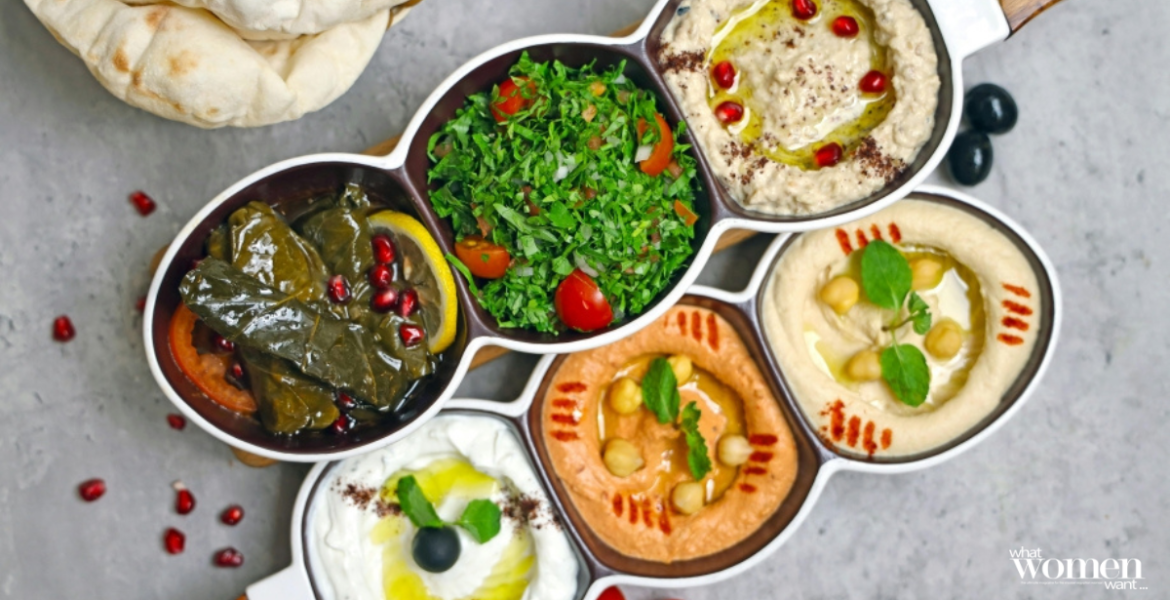
Lebanese cuisine is far more than a collection of recipes. It is a living heritage full of history, geography, and an unwavering spirit of hospitality. Sahtein: A Timeless Journey Through Lebanese Cuisine.To sit at a Lebanese table is to participate in a ritual that the ancient Phoenicians refined, the Ottoman Empire expanded, and French culinary artistry polished over centuries.
A Landscape of Flavor
Lebanon’s geography is its greatest culinary asset. Nestled between the snow-capped peaks of Mount Lebanon and the sparkling Mediterranean Sea, the fertile Bekaa Valley acts as the nation’s pantry. This diverse area allows for a cuisine that is fundamentally seasonal and garden-to-table.
At the core of every kitchen are three pillars: olive oil (liquid gold), lemon, and garlic. Also, Lebanese food celebrates the earth. Parsley isn’t just a garnish; it is the main event in tabbouleh. Chickpeas and eggplants transformed into world-famous staples like hummus and baba ghanoush.
The Art of Communal Connection
If you want to understand the heart of Lebanon, you must experience the Mezze. This traditional spread of small dishes is the ultimate expression of generosity. A typical mezze might include forty or fifty small plates, ranging from cold dips and pickles to hot pastries like sambousek and grilled meats. It is designed to be eaten slowly, encouraging conversation that lasts for hours. It is not just a meal; it is a social glue that binds families and strangers alike.
The Pillars of the Lebanese Kitchen
Kibbeh is considered a national pride to the Lebanese community. Kibbeh is a testament to culinary skill. It is a delicate mixture of lean minced meat and fine bulgur wheat seasoned with “Kibbeh spices” (allspice, cinnamon, and nutmeg). Whether served raw (Kibbeh Nayyeh), fried into football-shaped croquettes, or baked in a tray, it represents the soul of the Lebanese home.
Also, before the world had pizza, Lebanon had the Manakish. This flatbread, traditionally baked in a communal stone oven, is most famously topped with za’atar, a wild thyme blend with sumac and sesame seeds. It is the scent of Lebanese mornings, usually enjoyed with a side of creamy Labneh (strained yogurt) and fresh olives.
A Legacy of Empires
The complexity of Lebanese flavors comes from its history as a cultural crossroads. First of all, through the Ottoman Empire, Lebanon inherited the love for complicated pastries like baklava and the slow-roasting techniques of shawarma. Also, the French influence introduced a level of finesse in presentation and a love for buttery pastries and café culture that still thrives in Beirut today.
Health and the Mediterranean Soul
Lebanese cuisine is possibly one of the healthiest in the world. As a prime example of the Mediterranean Diet, it prioritizes plant-based proteins, healthy fats, and whole grains. With Fattoush, a salad that uses toasted leftover pita bread as croutons, dressed in tangy sumac and pomegranate molasses.
The Sweet Finale
No Lebanese meal is complete without a touch of sweetness, often perfumed with rose water or orange blossom water. We can start with knafeh, a decadent breakfast or dessert of melted cheese topped with a semolina crust and doused in simple syrup. To help digestion, Lebanese often finish with Café Blanc, not coffee at all, but a soothing cup of hot water scented with orange blossom.
More Than Just Food
To eat Lebanese food is to taste the history of the Levant. Sahtein: A Timeless Journey Through Lebanese Cuisine It is a cuisine that respects the old ways, the slow grinding of grain, and the hand-rolling of grape leaves, while embracing the vibrancy of the modern world. Above all, it is a reminder that the best meals are those shared with others, where the table is always long enough to fit one more guest.
Sahtein!