
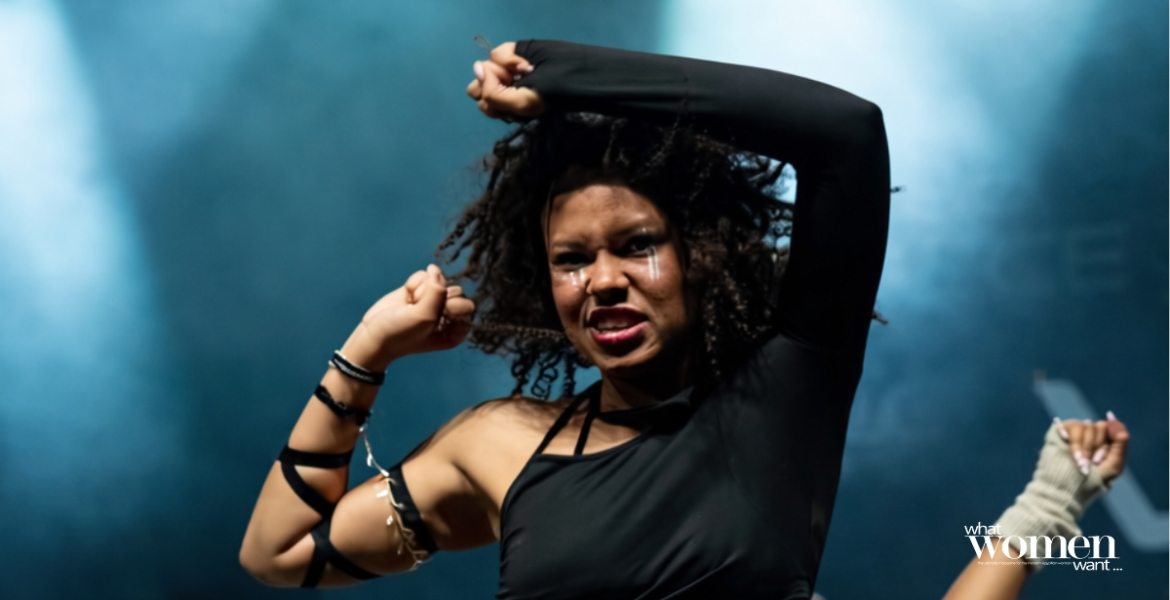
Have you heard about Afro dance before?
In the heart of Cairo, a new rhythm emerges. Afro dance hits Egypt’s streets, and a growing community of young Egyptians transforms the streets and studios into vibrant stages, celebrating African roots one step at a time. Afro dancing is driven by identity, passion, and cultural fusion, where ancient and modern rhythms have echoed throughout time.
For some cultures, dance is considered food for the soul. In Africa, dance is the beginning of everything, so that conversation turns into melodies, tunes, and dances. Afro dance, with its expressive movements and vibrant beats, is captivating younger Egyptians while creating a new cultural piece that links cultures and traditions.
Where Did Afro Dance Start?
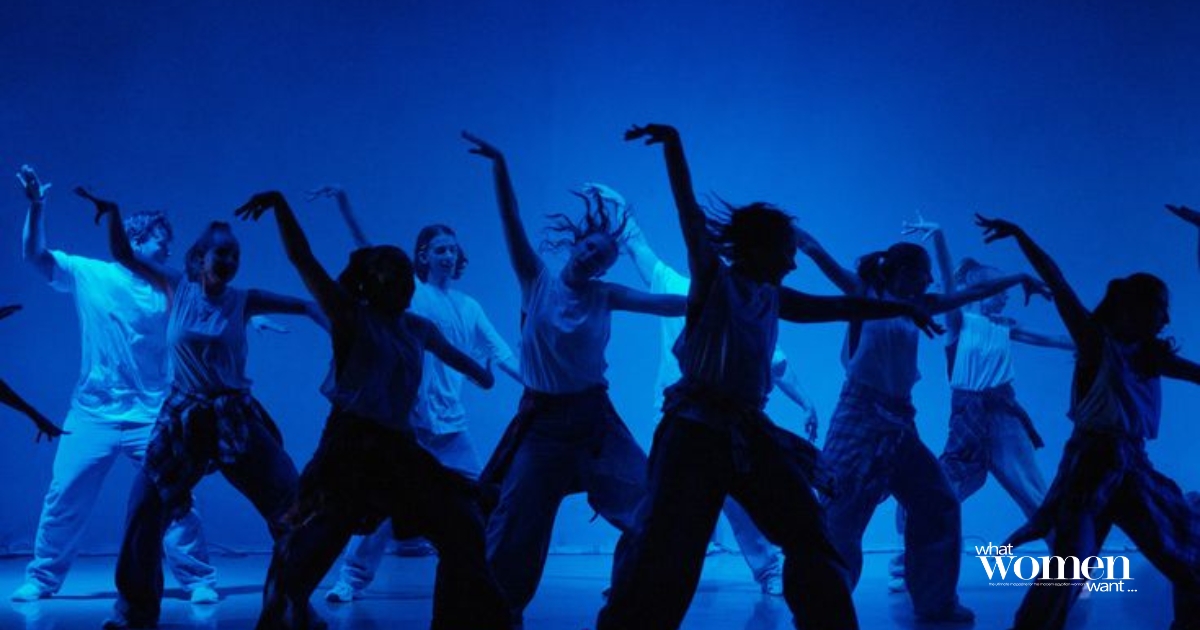 When people look at African civilization and culture from ancient times until now, they find that dance is the pillar of its culture and an integral part of its life. It is not only a form of pleasure, entertainment, and excitement, as is known in modern societies. Also, it’s their way of expressing their needs. It is a major part of African religious and social rituals. There are dances for every occasion: birthdays, puberty, engagement, marriage, and death.
In Egypt, Afro dance is gaining popularity, while Egyptians see it as a form of self-expression. Through Afro dance, dancers can express their anger, joy, sadness, and aspirations. It allows them to disconnect from the pressures of life surrounding them. Amina Ahmed, an Afro dancer and instructor, started her journey six years ago from street jazz and hip-hop, which led her to learn Afro dance and become an instructor.
When people come to hear African music or watch Afro dances, they become curious to learn about it. Not only that, but some of them find themselves attached to it.
“At first, I got introduced to Afro music rather than dance, and then when I searched, I realized that there is no Afro community in Egypt at all, so I started learning online on YouTube and TikTok, and then I started teaching Afro 3 years ago,” said Amina.
How the Digital Era Impacted Afro Dance?
Not only that, Afro dance faced difficulties in making its way in Egypt. People weren’t accepting the idea of Afro dance. Amina indicated that,
“At the beginning, no one knew about Afro dance. Over the years, because of TikTok, people started to understand Afro culture because of its music.” “When people started to listen to music and then do the dance challenges on TikTok and Instagram, people became aware of something else that is not hip hop, and then the community grew a bit in Egypt.” Amina adds.
On the other side, Afro dance culture is widespread all over the world, not just in Egypt. When people search on social media, such as TikTok, YouTube, and Instagram, they find all the people dancing to African songs because these songs make your body move with the rhythm.
Challenges Afro Dance Faces in Egypt
After people gained awareness about Afro dance, it started to break its barrier through Egyptian modest culture. Even people are getting more comfortable with the idea of Afro dancing, either accepting the idea of people dancing on screens, sharing videos, or posting engaging dance videos. It exists alongside the preconception that Afro is a hip-hop and the modest Egyptian culture.
“Some people are shy and don’t know how to express themselves using dance”. Shares Amina. Also, the high prices of Afro classes can be an obstacle to learning Afro dance. “The classes are very expensive, so people don’t have the luxury to attend them”. Amina said.
Breaking Barriers
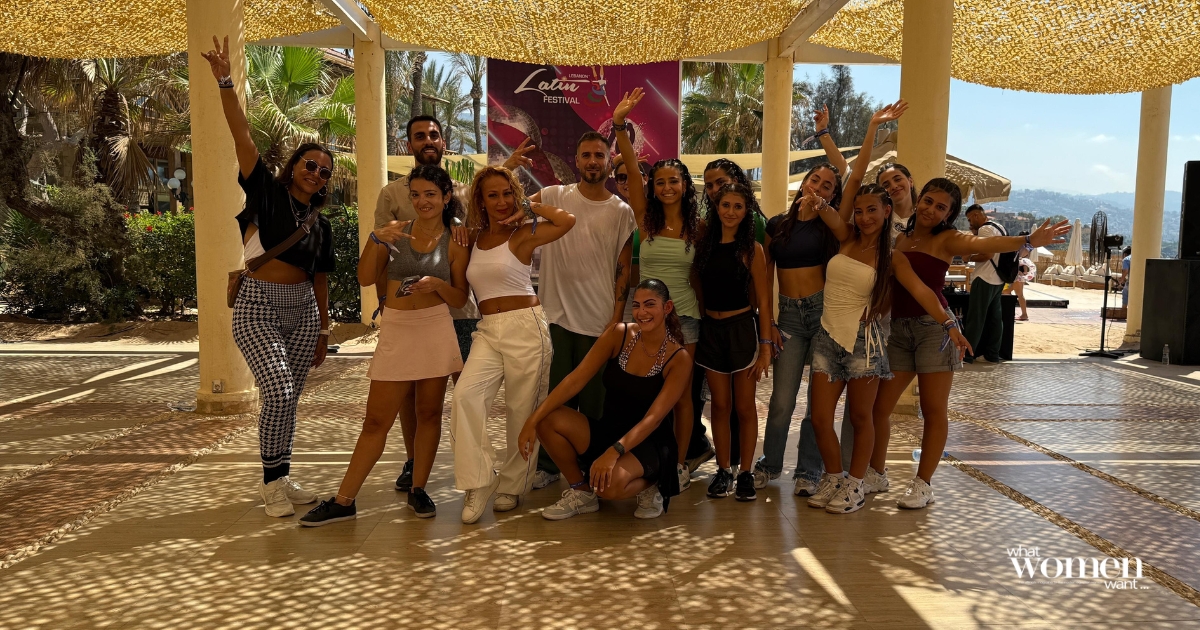
However, Egyptian dancers often navigate cultural norms and societal expectations. Despite these challenges, the Afro dance community in Egypt continues to thrive.
“The dance community is growing, which is very good for the future. When people become more aware and exposed to Afro dance, they start to incorporate it in events, such as adding lineups of Afro dance styles in events”. Amina said.
So, what about challenging the limits and starting to learn Afro dance?
Afro dance hits Egypt’s streets and is witnessing bold moves. Dancers face challenges due to many misconceptions and limited cultural support. They use it to express their identity, challenge stereotypes, and reconnect with their African roots, inviting people to join them in the rhythm of African music.